Stress is a natural response to challenges and demands in everyday life, but when it becomes persistent or overwhelming, it can negatively affect both mental and physical health. Common symptoms of stress include irritability, fatigue, difficulty concentrating, sleep disturbances, and a constant feeling of pressure. Prolonged stress can also lead to anxiety, depression, and other health concerns. Recognizing the early signs of stress is essential to prevent it from impacting overall well-being and daily functioning.
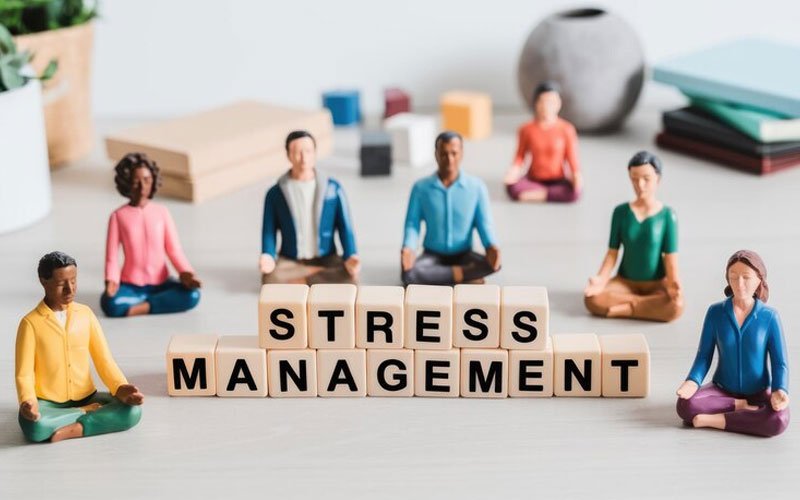
Effective stress management involves a combination of lifestyle changes, psychological support, and relaxation techniques. Strategies such as mindfulness, regular physical activity, proper sleep, and time management can significantly reduce stress levels. Counseling and therapies like cognitive behavioral therapy (CBT) help individuals understand stress triggers and develop healthier coping mechanisms. Building a balanced routine and maintaining social support are also important in managing stress effectively and improving emotional resilience.
It is important to understand that stress can be managed with the right guidance and consistent effort. Seeking professional help can provide valuable tools and strategies to handle stressful situations more effectively. With proper care and support, individuals can regain control, improve their mental well-being, and lead a calm, balanced, and productive life.